
Due diligence is not a checklist. It’s a risk-mapping exercise
Due diligence isn’t paperwork—it’s risk mapping. Its value lies in identifying post‑closing exposure, not collecting tidy documents.
Posted: 13 Feb, 2026
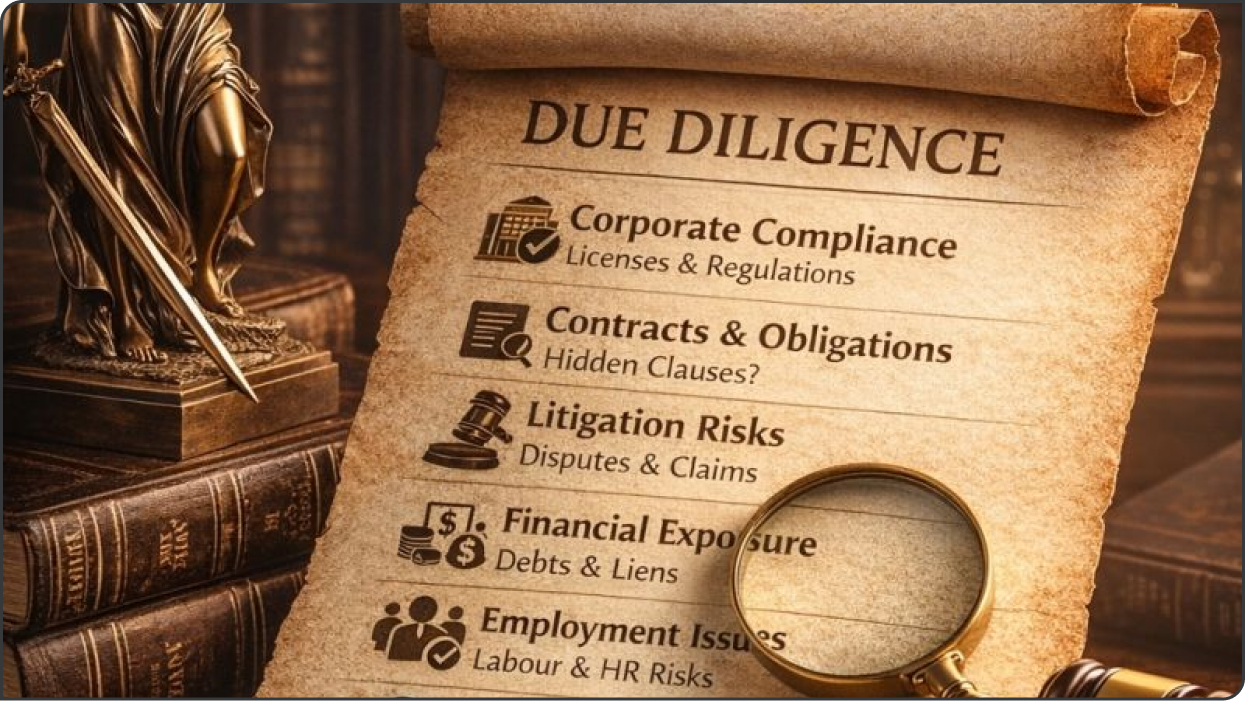
Due diligence is not a checklist.
It’s a risk-mapping exercise.
Too often, due diligence is treated as a box-ticking process: documents collected, folders reviewed, issues flagged. That approach misses the point.
Real due diligence is about anticipating exposure before it crystallizes into liability.
It’s not just whether documents exist, but:
- whether licenses are fit for purpose and transferrable;
- whether signing powers reflect actual governance, not just formalities;
- whether contractual obligations hide change-of-control triggers, asymmetries, or legacy risks;
- whether litigation exposure is latent rather than visible;
- whether financial liabilities sit off-balance sheet or behind guarantees;
- whether employment structures and data practices would survive regulatory or transactional scrutiny.
Good due diligence doesn’t aim for completeness for its own sake.
It aims for materiality, context and consequence.
Because the real value lies here:
identifying the risks that will matter after closing, not the ones that merely look tidy before it.
Due diligence isn’t about knowing everything.
It’s about knowing what can hurt you and when.